
News
-

CEO Ted Hansson presents at Aktiedagarna
Acconeer CEO Ted Hansson held a presentation at Aktiedagarna in Stockholm on September 18th.
-

First A2 Samples
Acconeer is a company based on innovation, we always stride to take steps towards the next generation of technology.
-

CEO Ted Hansson will present at Aktiedagarna in Stockholm
This week our CEO Ted Hansson will take part and present at Aktiespararnas event Aktiedagarna i Stockholm.
-

Meet the People of Acconeer
Over the coming weeks, we’re excited to introduce you to some the faces behind Acconeer.
-
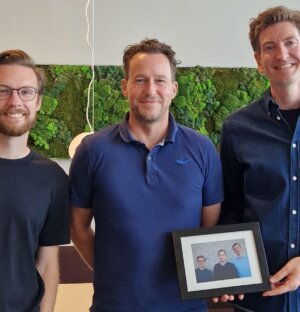
Celebrating 10 Years with Per!
In 2014, co-founders Mats Ärlelid and Mikael Egard made the first hire for Acconeer, and today, a decade later, Per Atlevi is still with us.
-
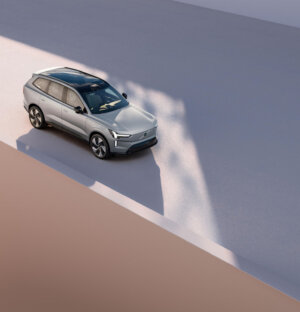
Acconeer safety feature impresses in new Volvo EX90 walkthrough
Autotrader just launched their full walkthrough of the new Volvo EX90, showing Acconeer’s interior detection system.
-
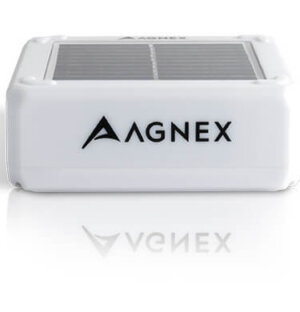
Agnex is stepping into the future of tank intelligence
California based company Agnex has together with Telit taken a new step into the future of tank intelligence, with a goal of delivering an affordable solution.
-
Acconeer presents Q2´24 report with Q&A on July 19
Ted Hansson will make his first appearance as new Acconeer CEO during the Q2 2024 live presentation with Redeye. The presentation will be followed by a Q&A moderated by Redeye’s analyst Jesper Von Koch.
-
Meet our new CEO, Ted Hansson
Acconeer’s new CEO Ted Hansson started his journey within the semiconductor industry by studying Electrical Engineering at Lund and Blekinge University.
-
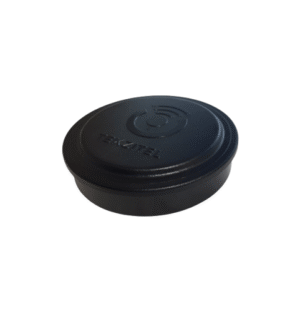
TEKZITEL provides a radar-based smart parking solution with Acconeer A1 radar sensor
TEKZITEL is a start-up company founded in Sydney, Australia in 2017. The company has developed a battery-powered smart parking sensor, TEKZIPARK.